
Project 05 · Mercedes-Benz China
Automation meets art: the engine behind the Mercedes CGI workflow
Speed, Precision, and Pixels: A Case Study of CG content for Mercedes Benz China
Challenge & Context
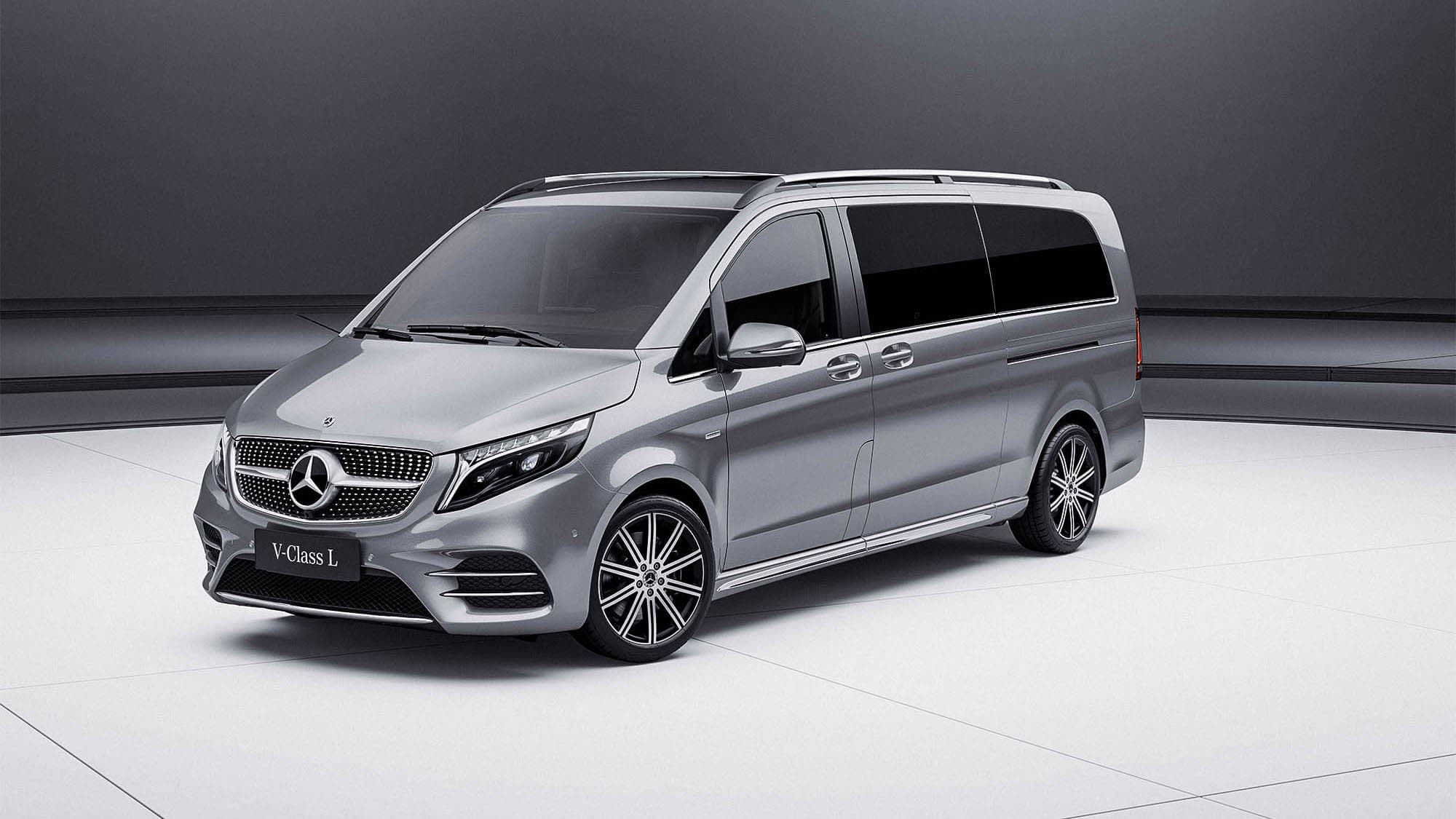
Mercedes Benz’s China division needed a high volume of localized marketing visuals and configurator content to support different trim variants, colors, and regional preferences. The scale was daunting: create hundreds of unique scenes and shots across many configurations, all while being responsive to client feedback and change requests. Traditional manual workflows would be too slow and error-prone for this level of output.

Our Innovation
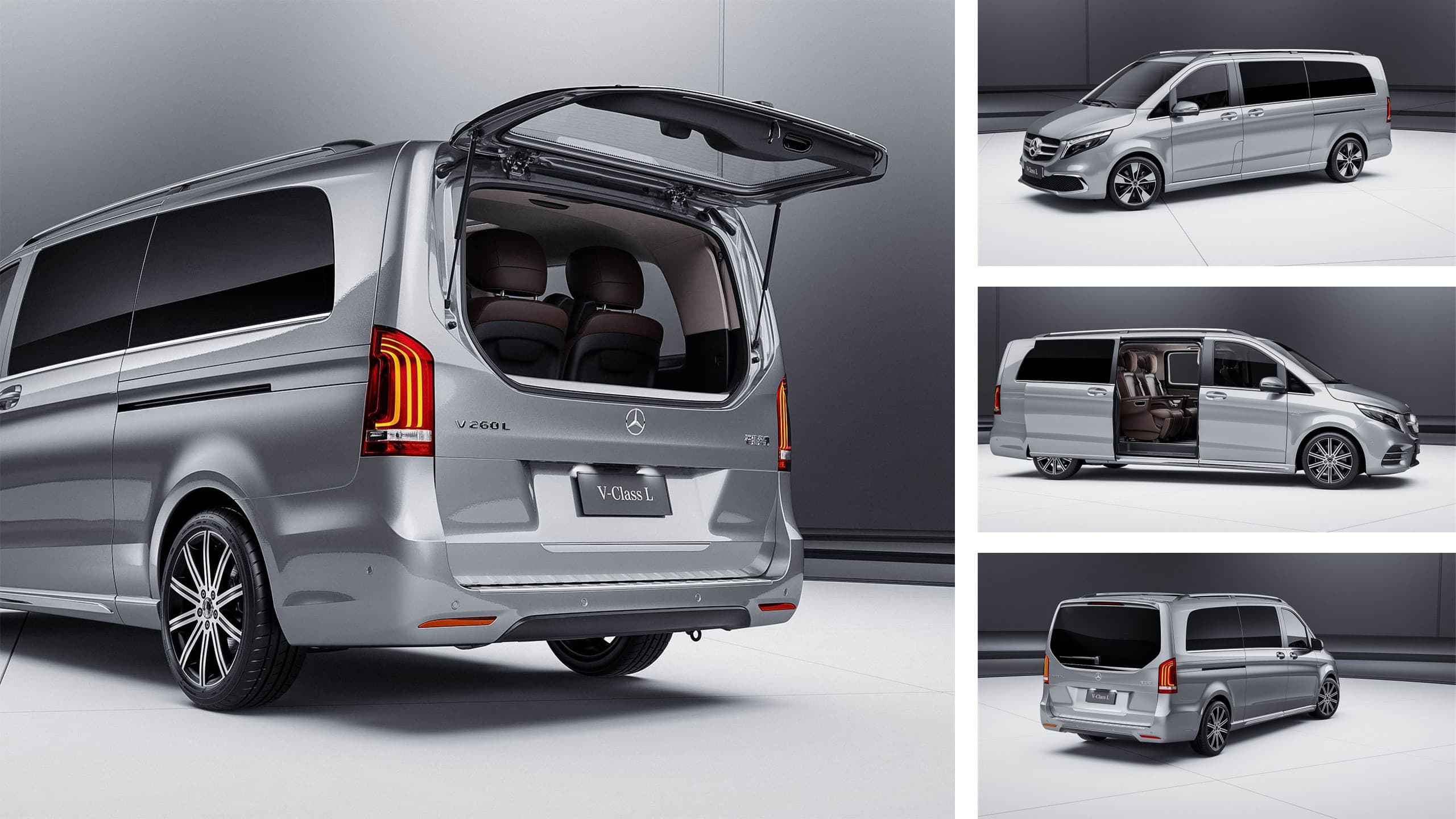
To handle the massive content demand efficiently, I developed a custom online rendering platform that allows our team to create and manage scenes directly from a web browser. From one interface, we can build new shots, set up configuration variants, and trigger mass renders for all combinations. When a client requests changes, the system automatically re-renders every affected version with a single click. This web-based workflow, powered by Blender and integrated with Deadline, lets a small team produce large-scale, high-quality visual content at unprecedented speed and consistency.
Technical Architecture & Tools
The platform was built using a full-stack Python architecture: Django for the backend and templating on the front end. The core rendering integration is handled through a custom Blender add-on that interfaces with our render farm via Deadline Render Manager. The add-on translates configuration data into scene setups, dispatches jobs, and monitors progress, enabling tight synchronization between our web UI and rendering system.
Small Team, Big Output
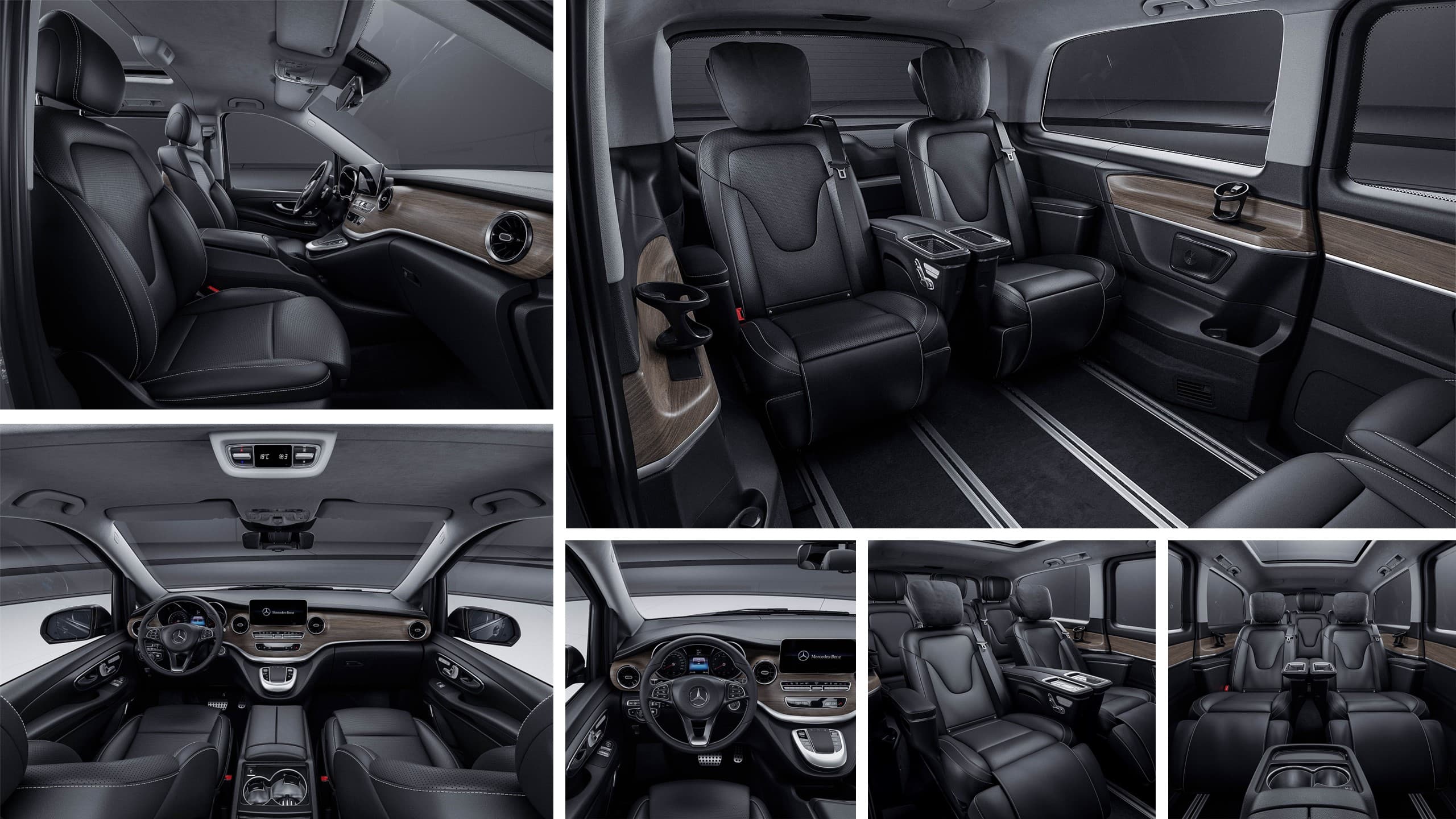
Despite being a compact team, we produced 500+ final renders, all high-fidelity and within tight deadlines. Because every variant was controlled through the platform, we avoided duplicative manual setup. If a client suddenly requested a change (for example, a new paint color or camera angle), we simply adjusted the template and re-rendered across all variants, no manual rework.
Quality, Consistency & Control
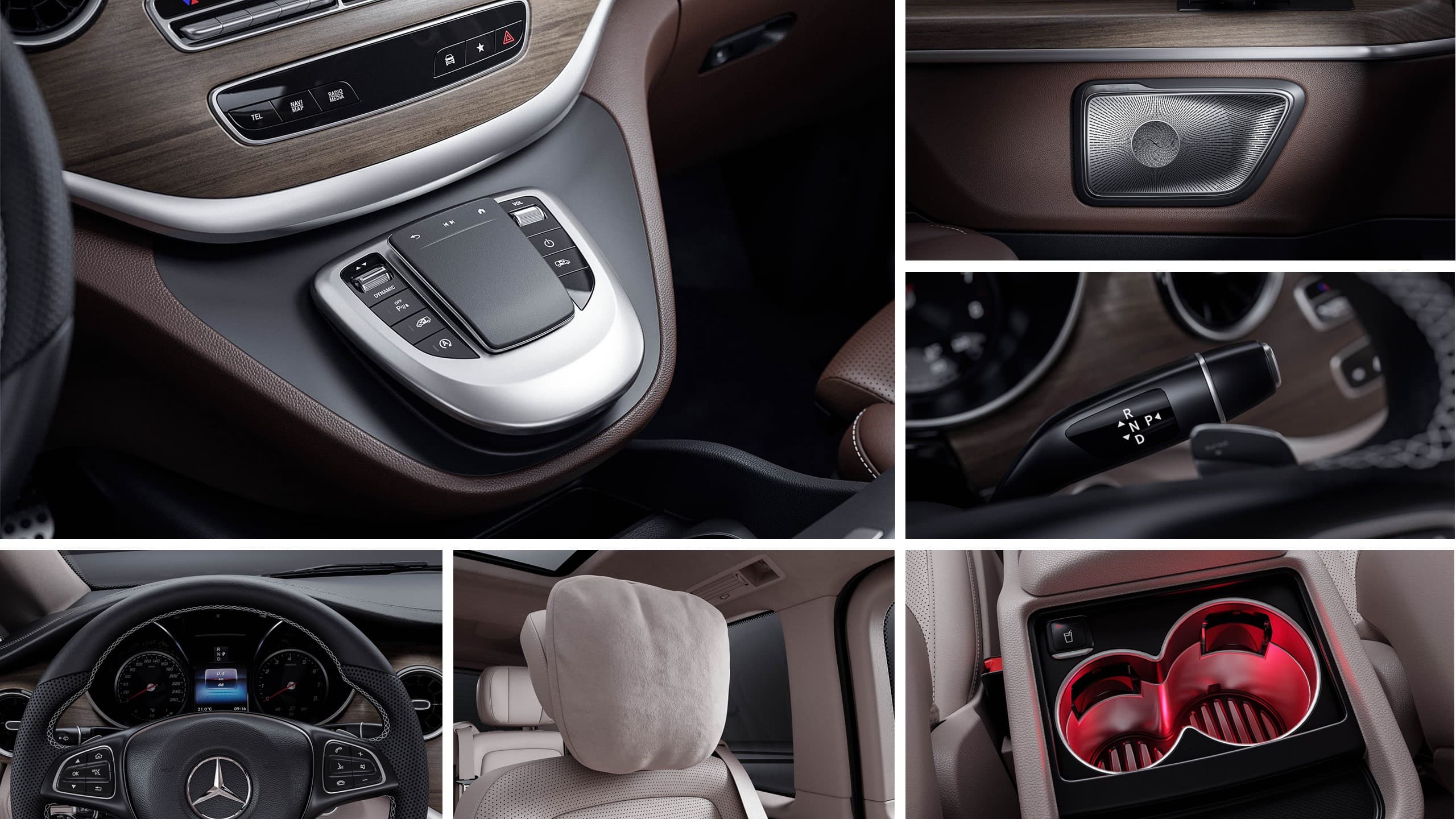
The rendering platform gave us consistency and control over every asset. Each shot’s lighting, materials, reflections, and camera parameters derive from centralized templates and look development rules. This architecture lets us enforce visual fidelity across the board and makes automated quality checks possible. Any outlier (e.g. mismatched look or lighting artifact) can be traced back through the pipeline and corrected at the source.
Outcome & Significance
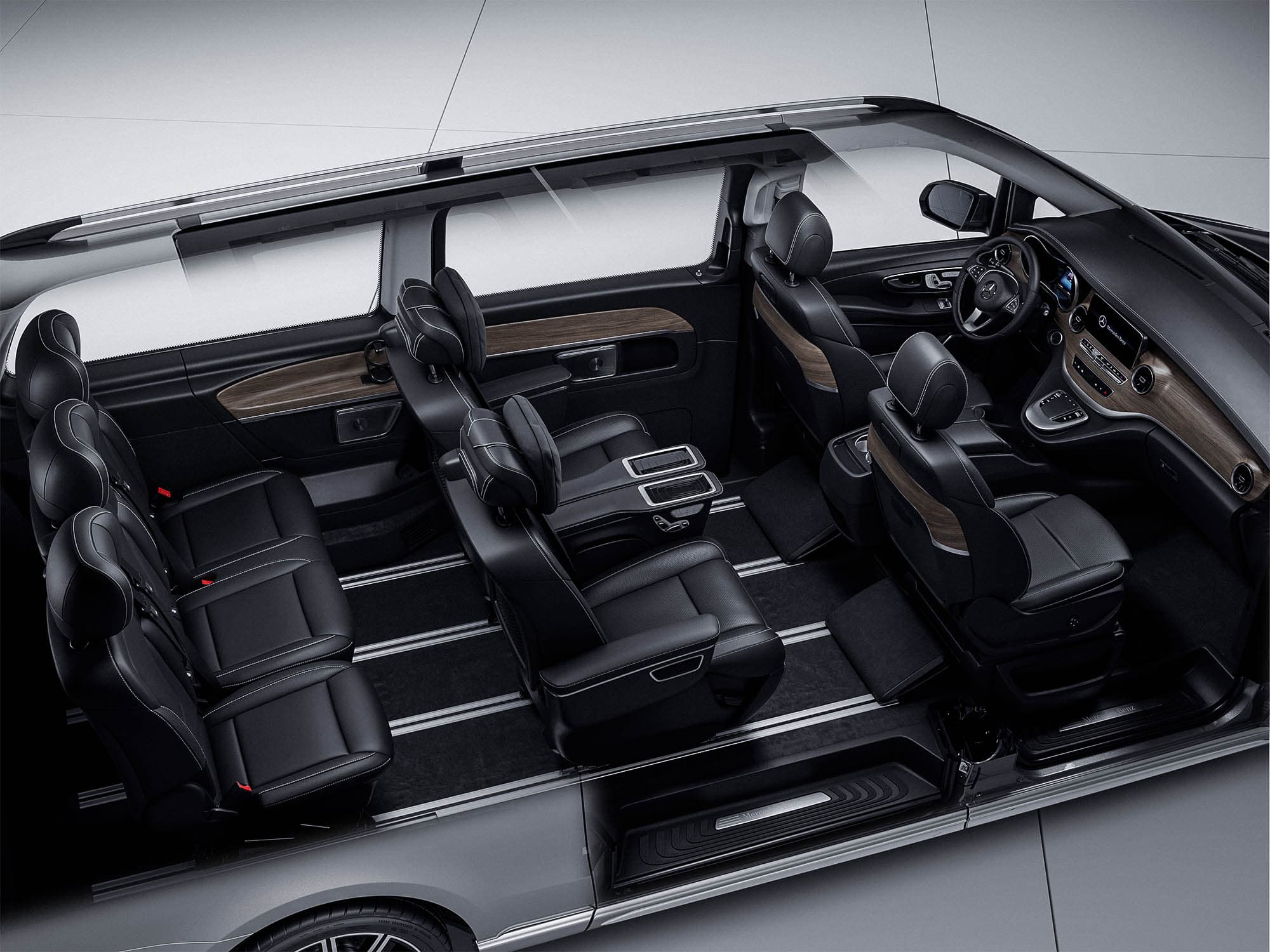
For Mercedes China, this system didn’t just deliver images, it enabled them to scale content creation without scaling cost. The configurator and CGI outputs felt cohesive, on-brand, and localized. From a strategic perspective, the platform became a differentiator: the ability to respond fast, maintain excellence, and adapt to change is a rare advantage in high-end automotive visuals. It also demonstrates our commitment to bridging art, technology, and automation.