Project 02 · BMW
The Shanghai Experience Center: BMW
A 1-to-1 digital twin of BMW’s experience center in Unreal Engine 5
Overview
The BMW Shanghai Experience Center is an immersive virtual environment built in Unreal Engine 5, developed as part of BMW’s Metaverse initiative to bring the brand’s innovation into interactive digital spaces. The project re-creates the entire physical experience center as a 1-to-1 digital twin, allowing users to explore, customize vehicles, and interact with brand content through both desktop and VR modes.
My Role
As Lead Real-Time Artist and Technical Supervisor, I directed the project’s visual quality, real-time performance, and system integration. Working with a multi-disciplinary team, I oversaw everything from look-development and environment setup to UX logic and interaction flow, ensuring a seamless and visually coherent experience across multiple gameplay areas.
Visual Direction
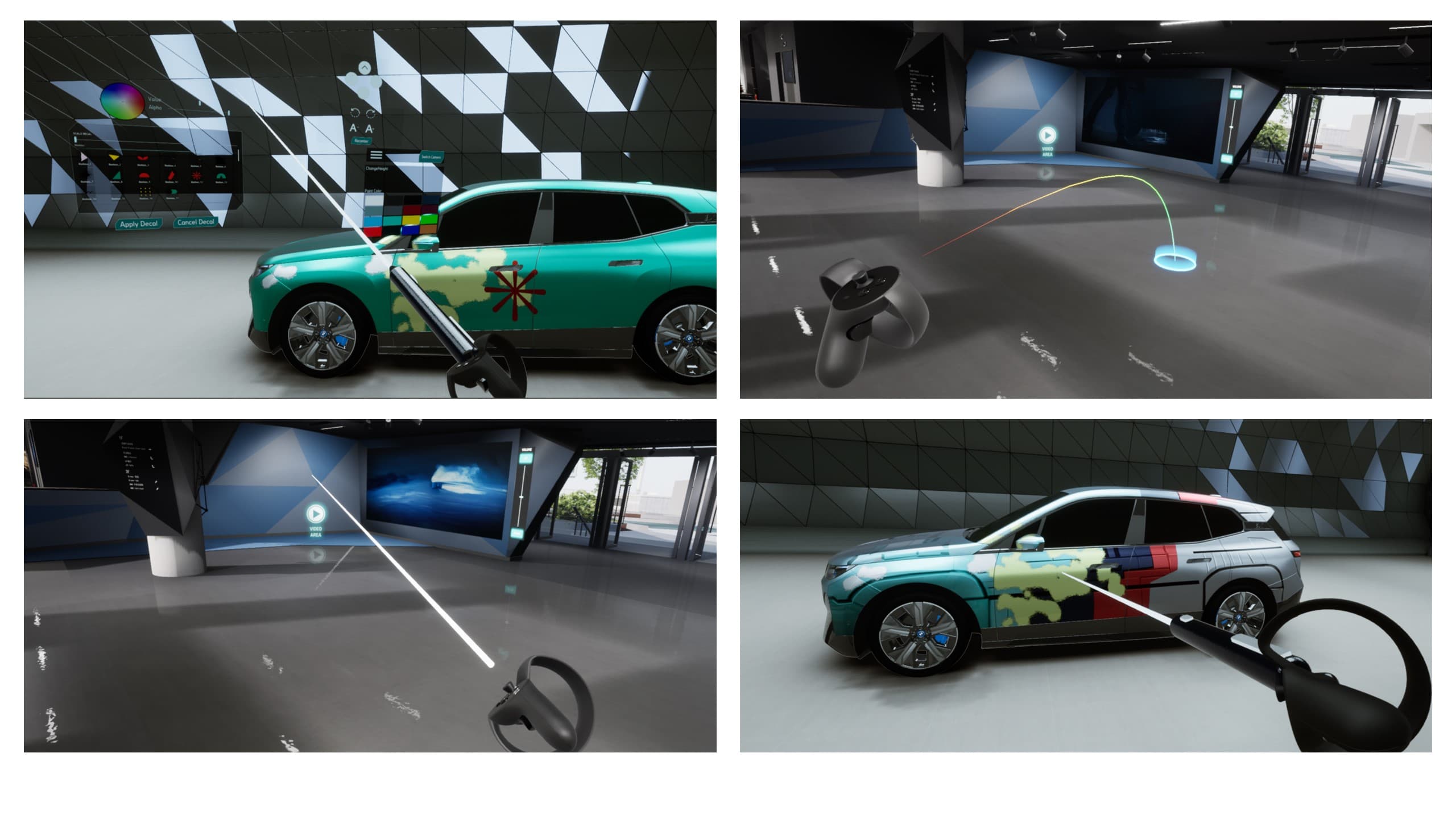
I defined the project’s overall visual identity, emphasizing realism, brand consistency, and ease of interaction. The environment featured cinematic lighting, high-fidelity materials, and modular layouts that mirrored the real Shanghai Experience Center. Each zone, such as the Blind Box Game, Car Configurator, and Art Car Painting Area, was designed to convey BMW’s precision, creativity, and engineering excellence through dynamic real-time visuals.
Technical Implementation
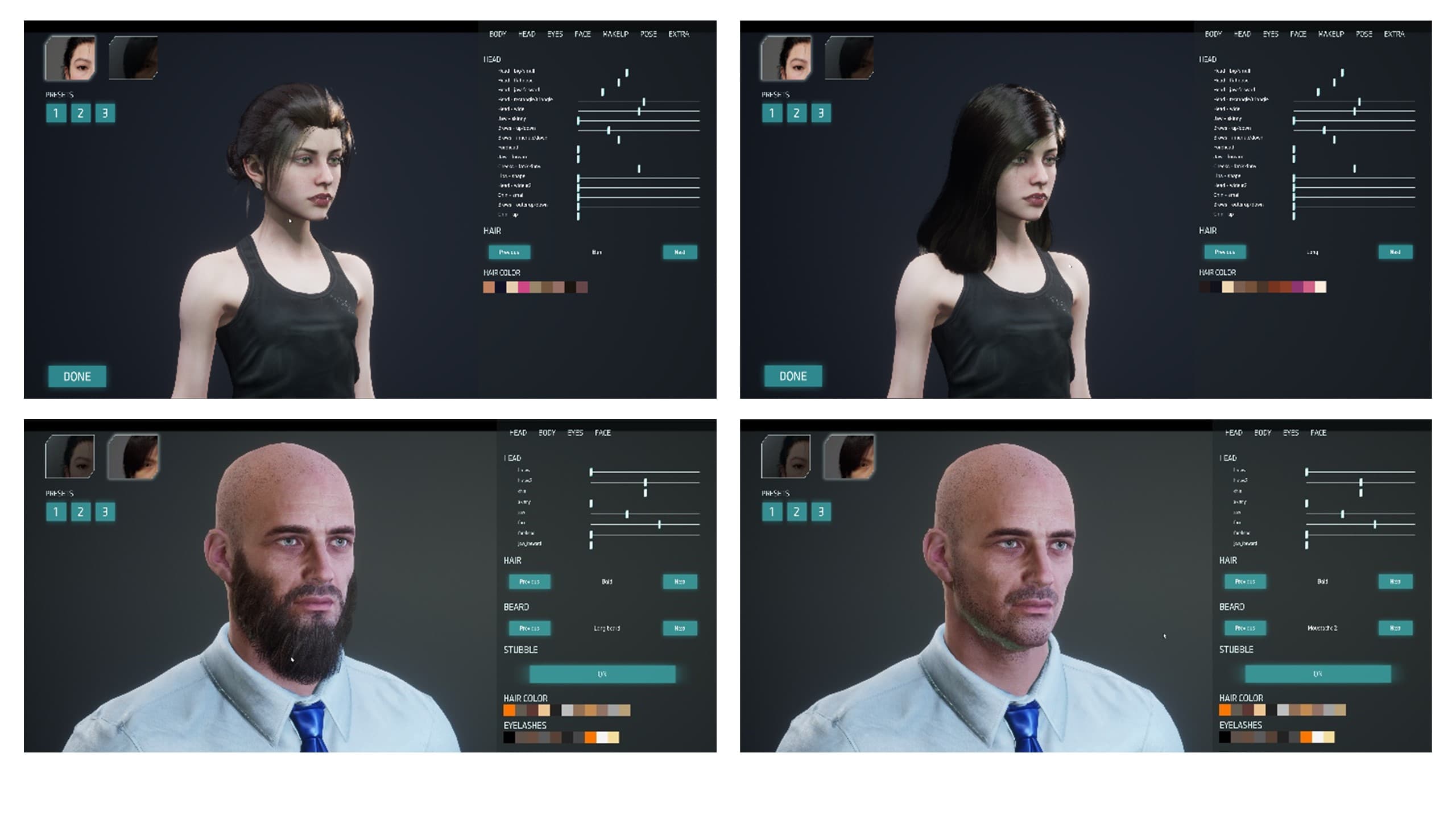
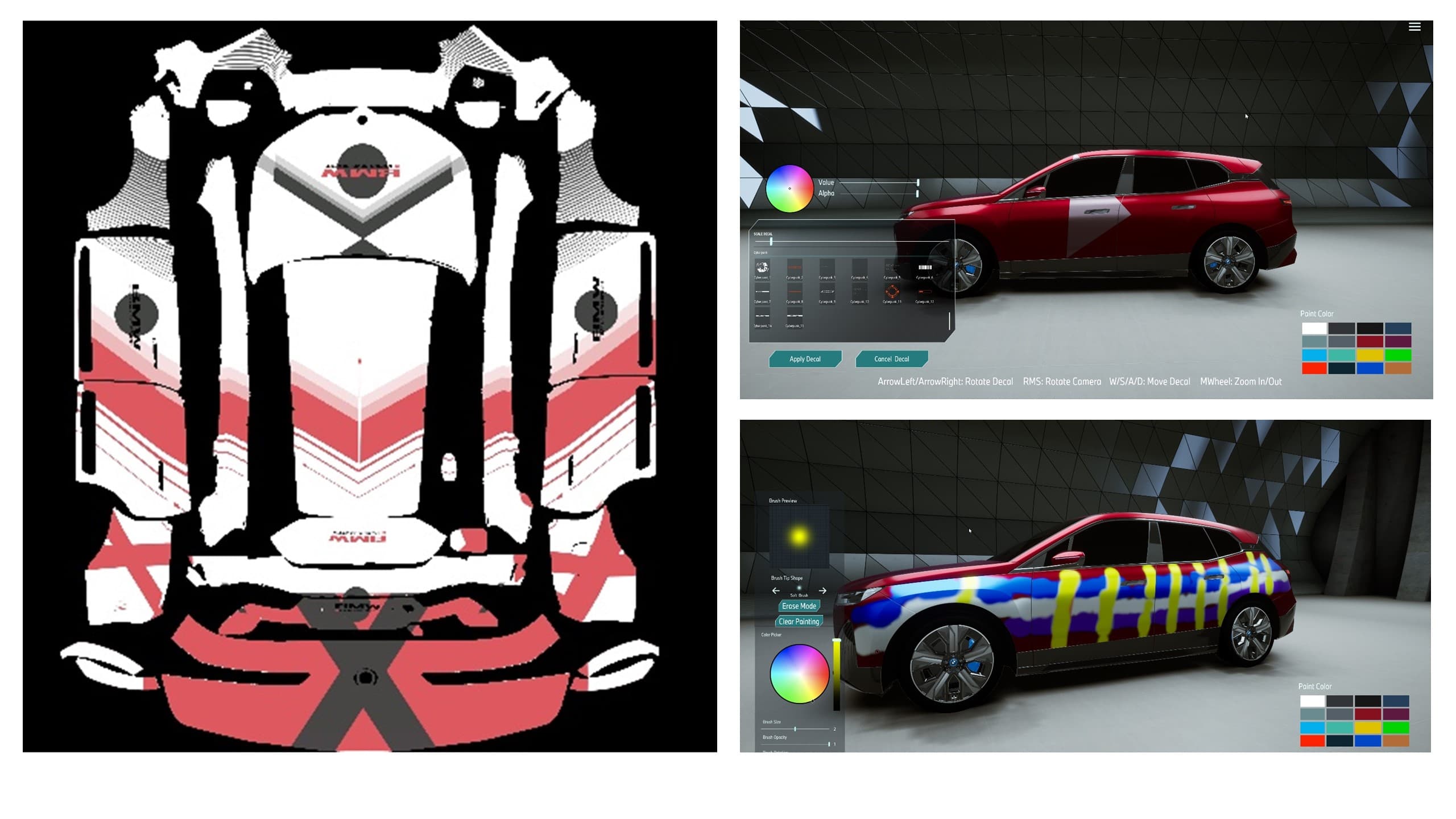
The experience was developed in Unreal Engine 5, using a modular blueprint system to handle interaction, UI, and mini-game logic. I implemented an advanced car painting system, VR support, and integrated a web-based car configurator within the 3D environment. Core systems such as the painting toolkit, custom avatar editor, and AI virtual guide “Joy” were optimized to deliver responsive, cross-platform performance.
Interaction & Data Systems
Beyond the visual layer, I contributed to designing the interaction logic that made the experience feel alive, from custom painting mechanics and character customization, to day/night lighting cycles and interactive video areas. The system included local data saving, allowing users to return and continue where they left off, enhancing immersion and personalization.
Outcome & Impact
The project set a new benchmark for brand engagement within virtual environments. It allowed users to explore, create, and interact with BMW vehicles in a fully immersive digital twin, combining entertainment, configurator functionality, and brand storytelling. The BMW Shanghai Experience Center Metaverse demonstrated how real-time 3D and VR can extend physical brand experiences into virtual worlds, offering an innovative blueprint for the future of automotive marketing.