Project 07 · Amore Pacific
Scaling content creation through AI and automation
Combining WebGL, Blender & AI to automate scalable visual production
The Vision
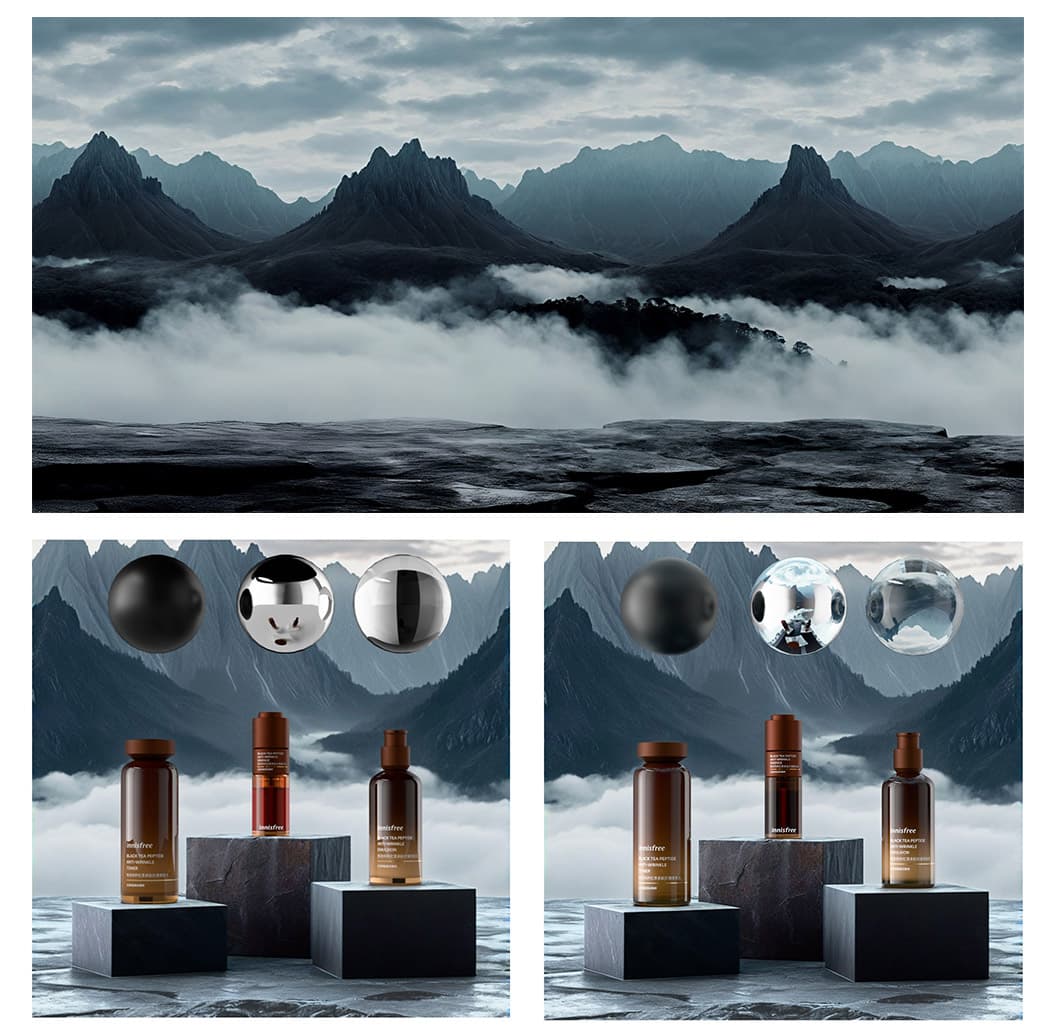
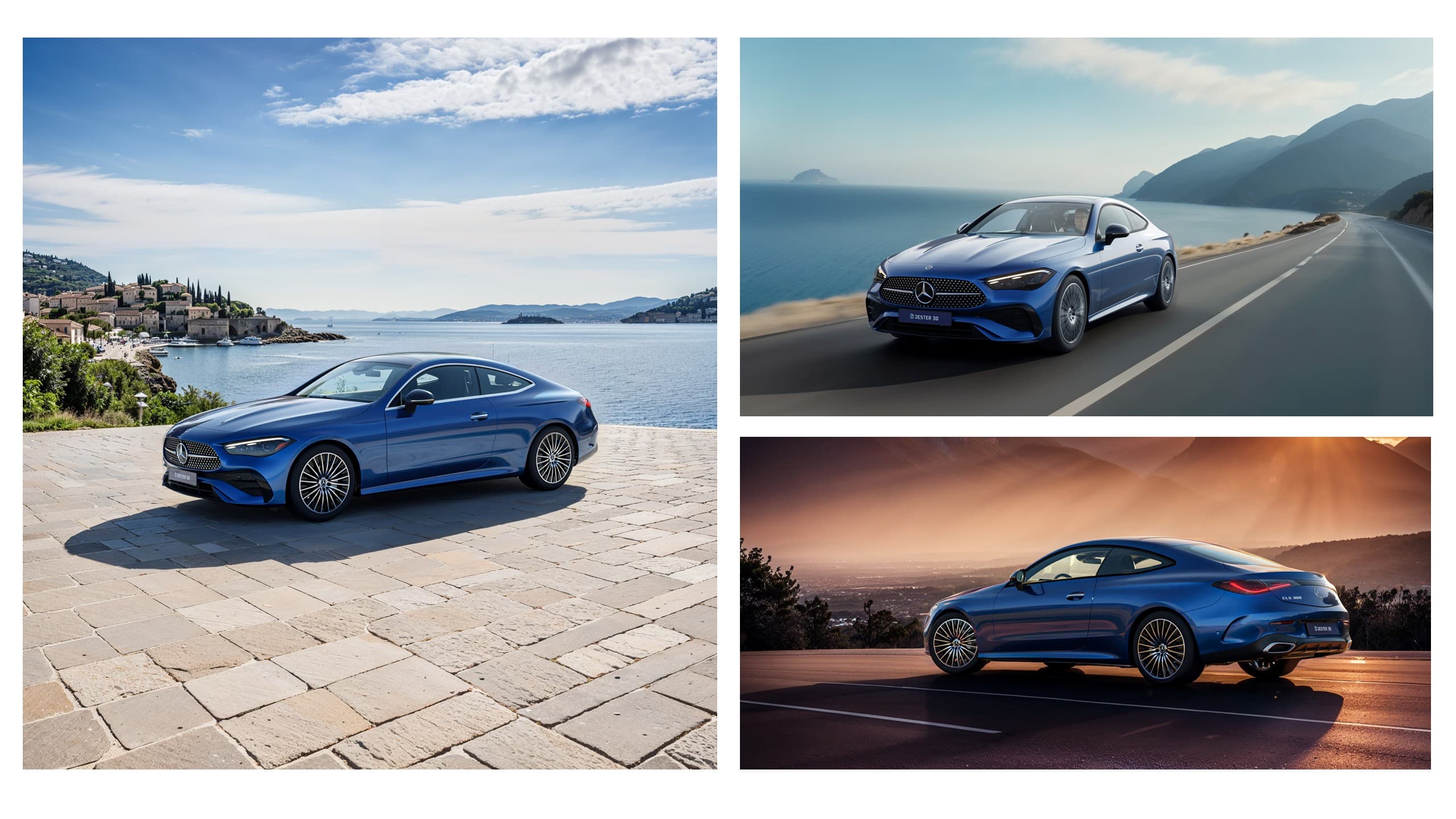
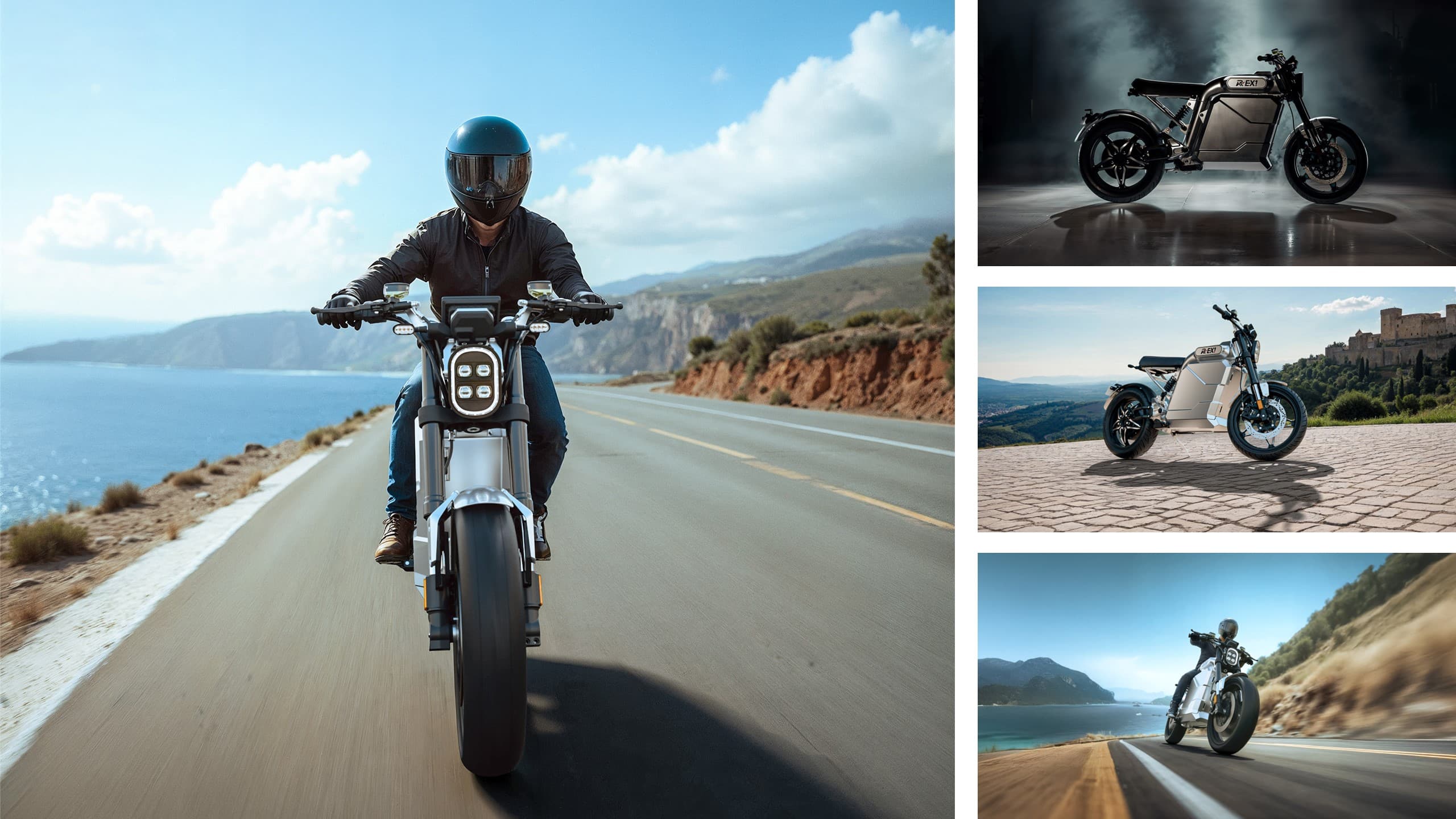
Modern marketing requires large volumes of high-quality visuals, multiple camera angles, configurations, and backgrounds, all while preserving product accuracy and brand consistency. While AI image generation offers creative freedom, it often lacks precision and control when used alone. To solve this, I designed a hybrid system that merges the accuracy of 3D digital twins with the creative flexibility of AI, enabling fast, consistent, and scalable content creation.
Building the Platform
I built a custom online platform that allows users to create 3D scenes directly in the browser using WebGL, then send them for high-quality rendering on the backend, followed by AI-based augmentation to enhance realism and artistic flair. From a single web interface, users can position products, adjust lighting, select cameras, and generate multiple visual variations in minutes, all without opening a 3D software package.
My Role
As system architect and technical lead, I oversaw the WebGL front-end development, 3D asset production, and the rendering pipeline integration. I created custom Python-based workflows for Blender and ComfyUI, ensuring a seamless bridge between the browser interface, the render manager, and AI post-processing. My role covered both creative direction and engineering, guaranteeing that the final visuals were technically sound and visually stunning.
Technical Architecture
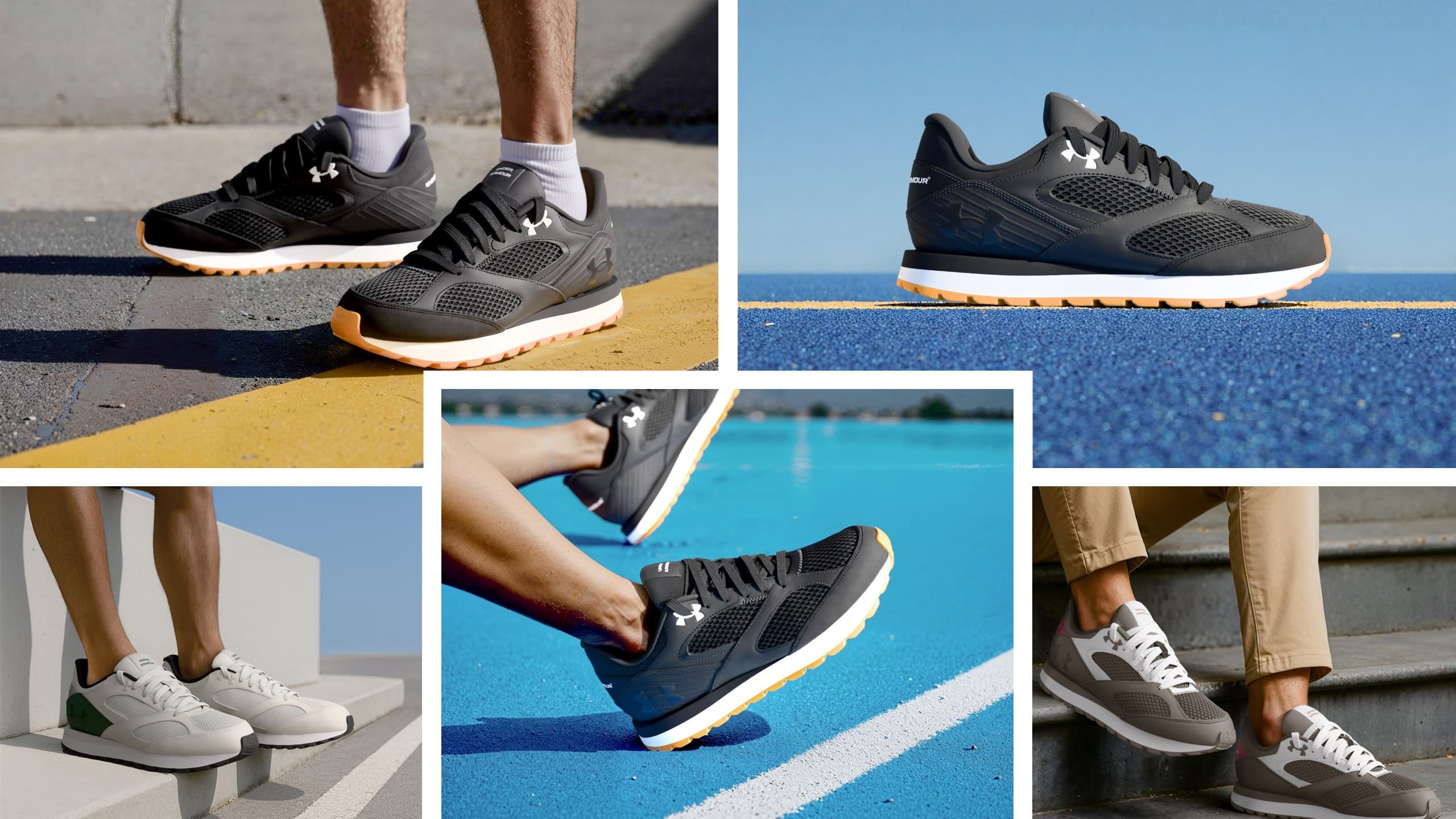
The platform is powered by a full-stack Python architecture built on Django for the backend and templating engine for dynamic scene generation. The WebGL interface provides real-time preview and scene composition. Once a scene is ready, a custom Blender add-on processes the configuration, submits it to Deadline Render Manager, and generates high-fidelity renders. These are then enhanced through ComfyUI, where AI diffusion models and ControlNets add natural backgrounds, reflections, and environmental detail. The result is a streamlined pipeline that balances automation with creative control.
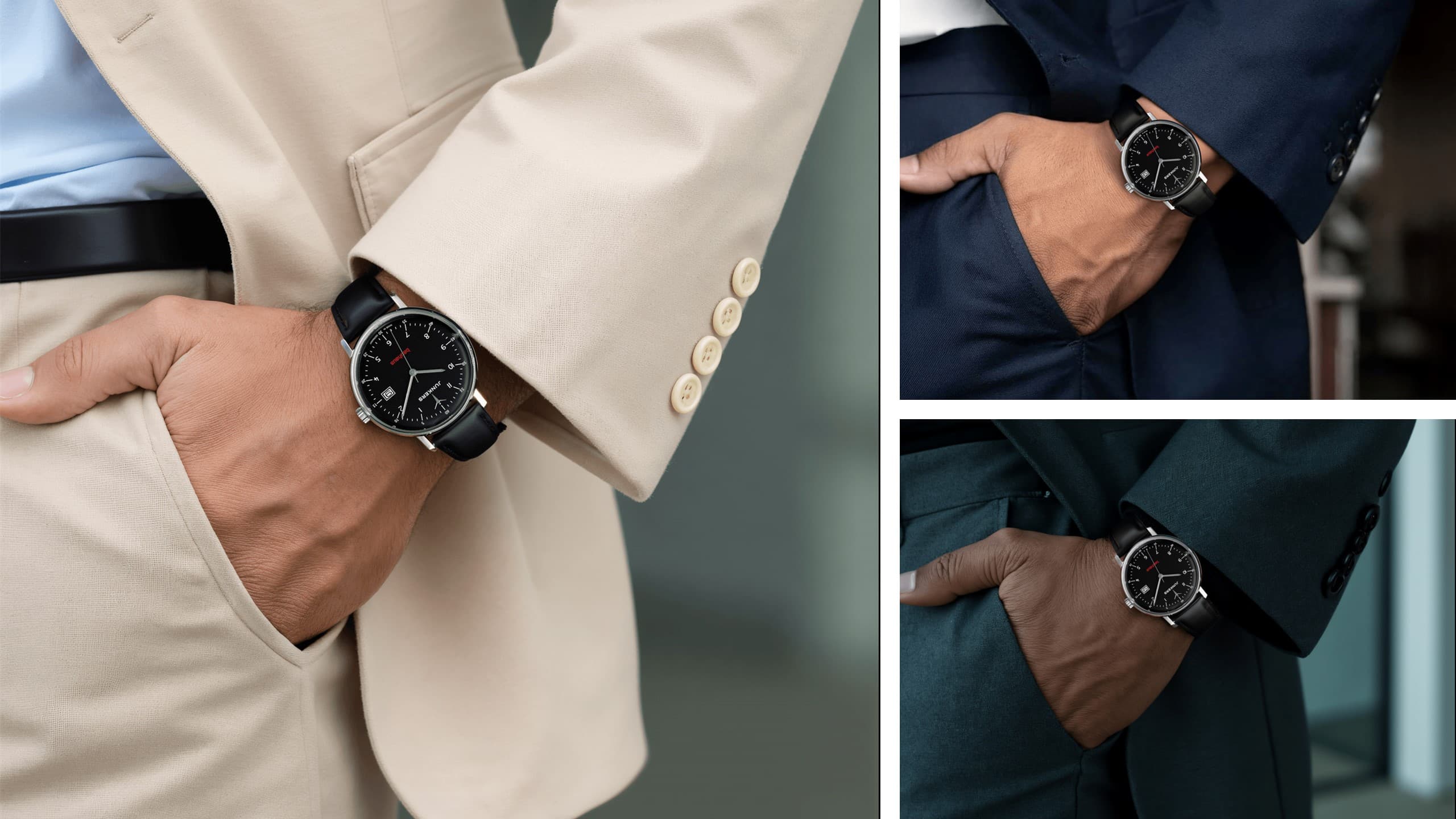
Scaling Benefits
This approach dramatically increases efficiency and flexibility. Scenes and configurations can be generated, updated, and re-rendered at scale, all through a web-based control panel. When client changes occur, a single update can regenerate every variation automatically. The integrated AI step reduces manual post-production while maintaining photorealistic accuracy and brand alignment. What used to take days can now be done in hours, with total creative consistency.
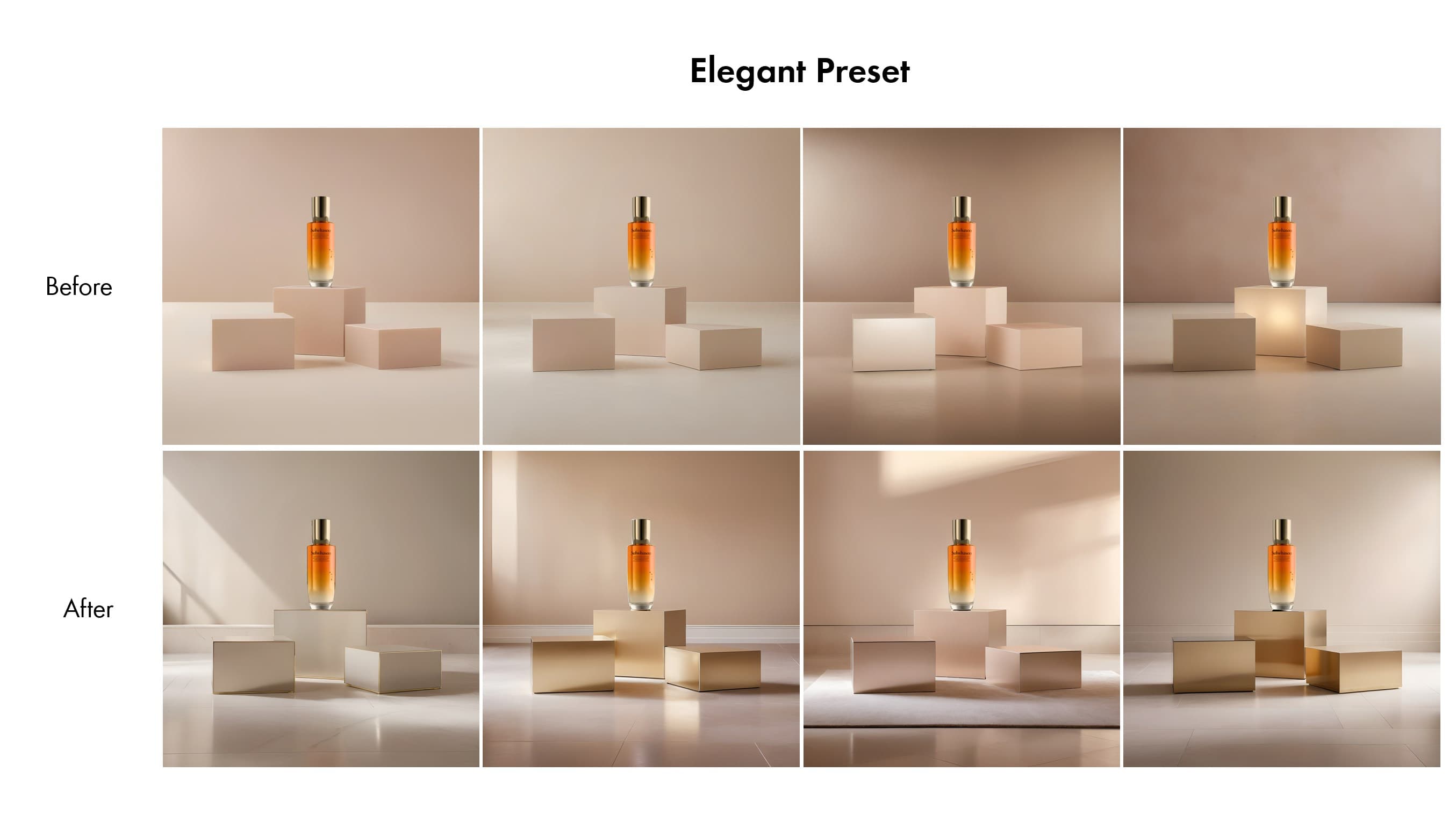
Outcome & Impact
The platform is now used by Amore Pacific across five major brands, empowering their marketing teams to generate hundreds of product images each month directly from the browser. By combining WebGL scene creation, automated Blender rendering, and AI-based augmentation, teams can produce consistent, high-quality visuals without relying on external 3D specialists. This workflow has become a key part of Amore Pacific’s marketing pipeline, delivering speed, flexibility, and visual precision at scale.